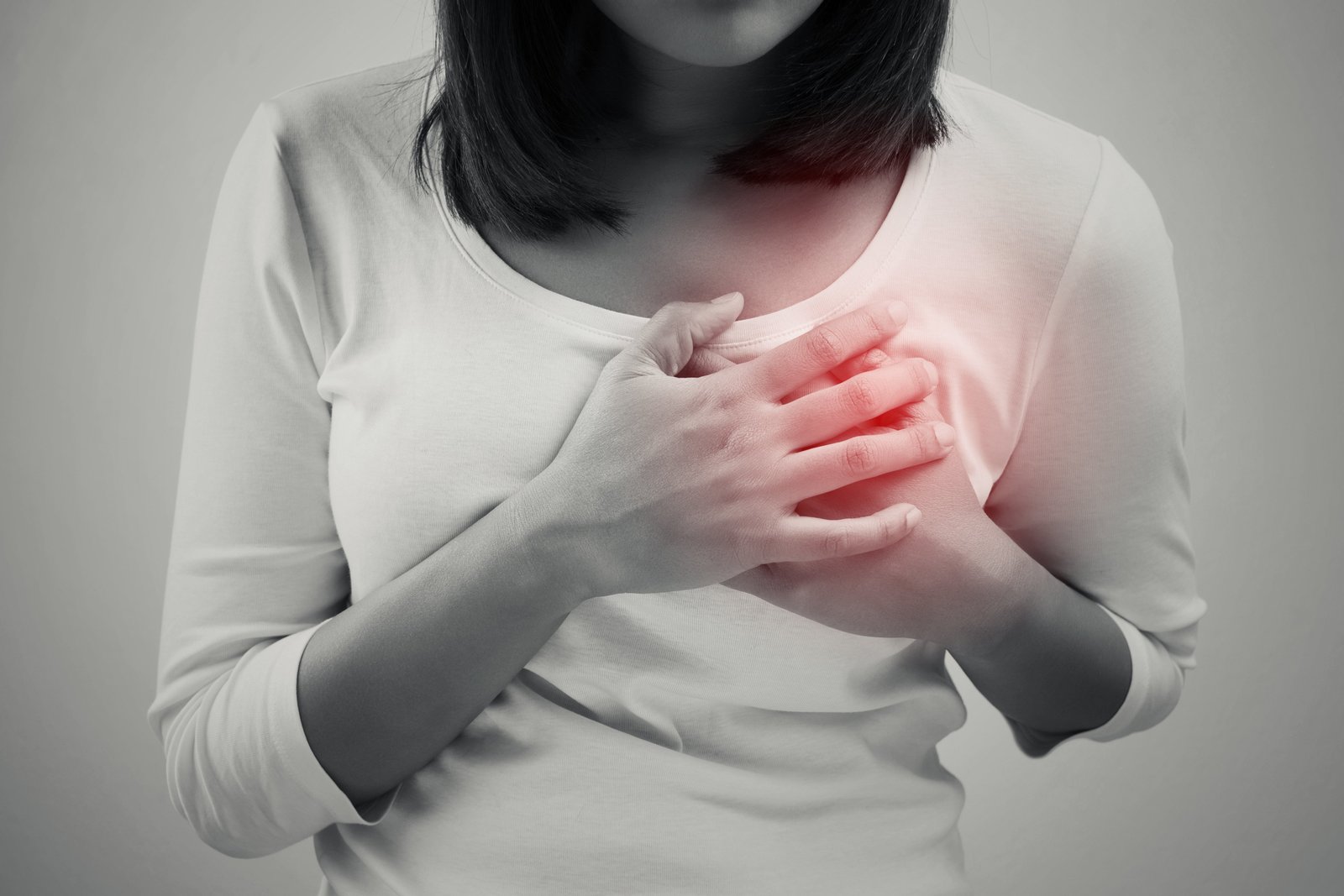
Ask most people to describe a heart attack and they'll mention crushing chest pain and a tingling left arm. Those symptoms are real, but they're far from the whole picture. Doctors now know that heart attack symptoms vary widely — and that they often differ between men and women.
Key Points
- Women are more likely than men to have subtle symptoms such as nausea, fatigue or back and jaw pain.
- Many people notice warning signs in the weeks before a heart attack.
- Being young, fit and healthy doesn't rule out a heart attack.
- Calling 911 quickly saves heart muscle and lives.
A Case That Shows How Misleading Symptoms Can Be
The Washington Post reported the story of Sue Palmer, an active 46-year-old who woke up feeling nauseated and assumed she had a stomach bug. She wasn't overweight, had good cholesterol, exercised regularly, ate well and had no family history of heart disease.
After she vomited several times, her husband urged her to go to the emergency room. An EKG showed she was in the middle of a major heart attack. An interventional cardiologist removed a clot and placed two stents through a small opening in her wrist. Her right coronary artery was completely blocked, and her left anterior descending artery — the vessel often called the "widow maker" — was 70% blocked. Doctors explained that ruptured plaque had triggered her nausea. Had she ignored it, she likely would not have survived.
Her message afterward was simple: being young, healthy and active doesn't mean a heart attack can't happen to you.
Early Warning Signs for Everyone
- Mild chest pain or discomfort that comes and goes
- Pain in the shoulders, neck or jaw
- Sweating
- Nausea or vomiting
- Lightheadedness
- Shortness of breath
- Anxiety or confusion
A 2003 study in Circulation of 515 women who had a heart attack found that most experienced warning symptoms in the month or more beforehand, most commonly unusual fatigue, sleep disturbances and shortness of breath.
Symptoms More Common in Women
- Sudden, unusual fatigue
- Sleep disturbances
- Anxiety
- Lightheadedness
- Shortness of breath
- Indigestion
- Pain in the upper back, shoulder or throat
- Pain spreading to the jaw
- Pressure or pain in the center of the chest that may spread to the arm
Women tend to have heart attacks later in life than men — often after 55, compared with as early as 45 for men. Risk rises with a family history of heart disease, high blood pressure, tobacco use and high cholesterol.
Symptoms More Common in Men
- Chest pain or pressure with a squeezing sensation, either constant or coming and going
- Pain or discomfort in the arms, left shoulder, back, neck, jaw or stomach
- Irregular heartbeat
- Indigestion
- Shortness of breath
- Dizziness
- Cold sweats
What to Do
If you or someone near you has possible heart attack symptoms, call 911 right away. Don't drive yourself, and don't wait to see if symptoms pass.
Looking Before Symptoms Start
Many heart attacks stem from plaque that built up silently for years. Preventive imaging, such as a coronary calcium scan, can reveal that plaque in advance so people can work with their doctors on prevention. Repeating scans over time can show whether risk is changing; the Advanced Body Scan FAQ covers how often people typically rescan, and the HeartIQ scan offers a more detailed cardiac assessment.
More information
Want to learn more about preventive scans? Go here for more info.
Scan options, pricing, locations and answers to common questions are available from Advanced Body Scan.
Visit AdvancedBodyScan.com →