CT is one of the most widely used imaging tools in medicine — tens of millions of CT exams are performed in the United States every year. As preventive full body scans become more common, so does a reasonable question: is a full body CT scan safe?
This article walks through how CT works, how it compares with MRI for preventive screening, what the radiation question really involves, and who tends to consider a scan.
Key Points
- A full body CT scan takes less than five minutes; a full body MRI typically takes 60 to 90 minutes or longer.
- CT can image the coronary arteries and lungs — areas where MRI is limited.
- CT uses ionizing radiation. Modern scanners and individualized protocols aim to keep doses as low as practical, and the trade-off is worth discussing with a clinician.
- Early detection can mean more time and more treatment options.
What Is a Full Body CT Scan?
A full body CT scan is a non-invasive test that produces detailed, three-dimensional images of the heart, lungs, organs and major blood vessels. The scanning itself takes under five minutes. By comparison, a full body MRI can take 60 to 90 minutes or more and requires lying completely still inside a tube.
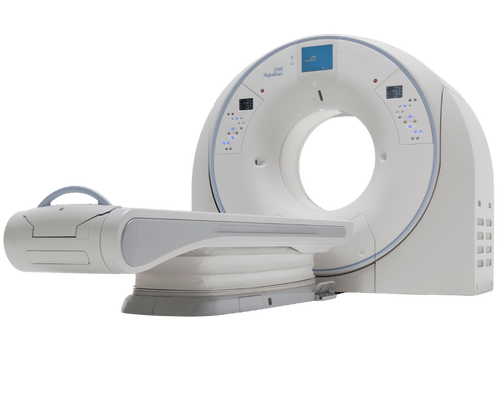
How Modern CT Addresses Safety
CT technology has improved substantially. Current practices include:
- Scanning protocols tailored to the individual's body and health profile
- Rapid acquisition, which shortens exposure time
- Interpretation by board-certified radiologists
- Comfortable, private scan suites
It's also important to be clear about radiation. Like X-rays, CT uses ionizing radiation, and every exposure carries a small potential risk. Radiology organizations follow the principle of keeping doses "as low as reasonably achievable." For a healthy adult considering a preventive scan, the decision comes down to weighing that small risk against the value of finding a serious condition early — a conversation worth having with a physician. Advanced Body Scan describes its scanners on its technology page.
CT vs. MRI for Preventive Screening
MRI has important uses, particularly for the brain and certain soft tissues, and it doesn't use ionizing radiation. For whole-body preventive screening, however, CT has several advantages:
1. CT can image the heart's arteries
Heart disease is the leading cause of death in the U.S. MRI can't effectively measure calcium buildup in the coronary arteries — one of the key early signs of heart disease. CT can.
2. CT images the lungs well
Lung cancer is the leading cause of cancer death in the country. Because of breathing motion and the air in lung tissue, MRI struggles to visualize the lungs. CT is highly effective at revealing small nodules.
3. Time and comfort
A full body MRI can take up to 90 minutes, and some patients need sedation to tolerate it. A CT scan takes minutes: you lie back, hold your breath a few times, and it's done.
A more detailed comparison is available in this guide to MRI vs. CT scans.
What a Full Body CT Scan May Detect
- Early signs of heart disease
- Lung nodules or early-stage cancer
- Kidney or liver abnormalities
- Abdominal aortic aneurysms
- Gallstones and some digestive conditions
- Spinal degeneration and joint wear
Most of these cause no symptoms in their early stages, which is when treatment options tend to be broadest. See the full body scan page for what's examined.
Who Considers a Full Body CT Scan?
Advanced Body Scan suggests preventive CT for:
- Adults over 30
- People with a family history of cancer, stroke or heart disease
- Busy professionals focused on long-term health
- Anyone who wants a proactive picture of their health
People with new or unexplained symptoms should see their physician first, since symptoms call for diagnostic evaluation rather than screening.
The Bottom Line
A full body CT scan is fast, widely used and designed to reveal the conditions that affect the most Americans. Like any medical test, it involves trade-offs, and understanding them is part of making an informed choice. Answers to common safety questions are collected on the Advanced Body Scan FAQ.
More information
Want to learn more about preventive scans? Go here for more info.
Scan options, pricing, locations and answers to common questions are available from Advanced Body Scan.
Visit AdvancedBodyScan.com →