Heart disease is the leading cause of death in the United States, claiming roughly 695,000 lives a year according to the CDC. Many heart attacks occur with little or no warning — but a simple number, often called a "heart score," can show trouble developing years ahead of time.
This explainer covers what the heart score measures, how coronary artery disease develops, what different scores mean and what can be done about a high result.
Key Points
- Your heart score — formally, a coronary calcium score — measures calcified plaque in the coronary arteries.
- It is one of the strongest predictors of coronary artery disease, heart attack and stroke risk.
- The test can reveal disease years before symptoms appear.
- CT can measure coronary calcium; MRI cannot.
What Is Coronary Artery Disease?
Coronary artery disease (CAD) develops when the arteries that supply the heart narrow or become blocked, usually because of atherosclerosis — a buildup of cholesterol, calcium and fatty deposits, known as plaque, along the artery walls.
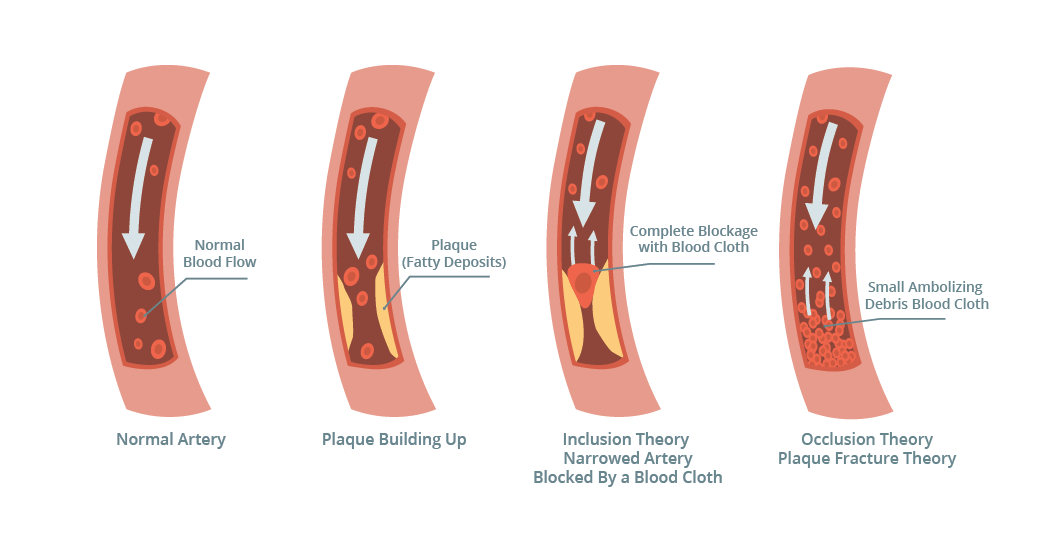
Over time, reduced blood flow can lead to:
- Chest pain (angina)
- Heart attack
- Heart failure
The hardest part is that CAD often progresses silently for decades. By the time symptoms appear, the narrowing may already be significant.
How the Test Works
A coronary calcium scan is a quick, painless CT scan — at Advanced Body Scan it takes less than five minutes. The scanner measures calcified plaque in the coronary arteries, and the result is reported as a single score that reflects heart disease risk long before symptoms. Details are on the heart scan page.
Interpreting the Score
Scores range from 0 to well over 1,000. Higher numbers indicate more calcified plaque and greater risk.
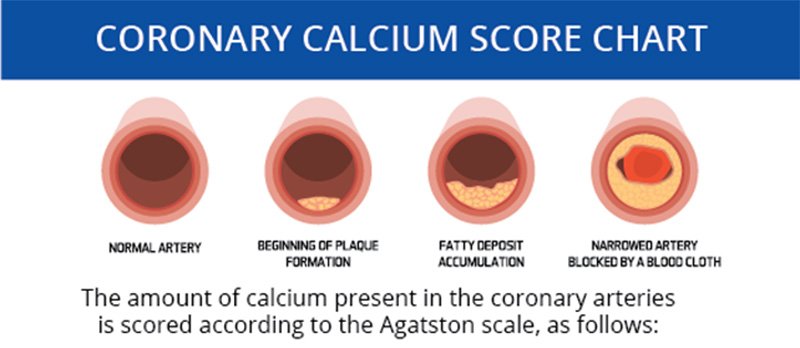
A score of 0 is encouraging, but it doesn't rule out non-calcified ("soft") plaque. That's one reason some people repeat the scan every one to two years to watch for changes.
How It Differs From Other Heart Tests
EKGs and stress tests are valuable, but they generally detect problems only once blood flow is already restricted, so they can miss early CAD. A calcium score is different because it:
- Measures plaque that is actually present in the arteries
- Can reveal disease before any symptoms
- Produces a clear numeric risk assessment
Can a Heart Score Be Lowered?
Calcium deposits don't disappear, but further plaque buildup can often be slowed or halted through:
- Lifestyle changes: quitting smoking, eating a heart-healthy diet, managing blood sugar and exercising regularly.
- Lowering LDL cholesterol: high LDL is a major driver of plaque.
- Medical care: a physician may recommend medication or, in some cases, procedures.
Treatment Options for CAD
When a score points to significant risk, a care plan may include:
- Long-term lifestyle changes
- Medications for cholesterol, blood pressure or clotting risk
- Procedures such as angioplasty, stent placement or bypass surgery to restore blood flow
These treatments manage CAD, but prevention remains the best strategy.
Who Considers a Calcium Score Test?
Advanced Body Scan suggests a heart scan for adults over 30, especially those with:
- A family history of heart disease
- High cholesterol or high blood pressure
- Diabetes
- A smoking history
- Obesity or a sedentary lifestyle
What a Heart Scan Visit Includes
At Advanced Body Scan, a heart scan includes a pre-scan consultation, the five-minute CT scan, a detailed score report and a follow-up physician consultation when needed. For a broader cardiac assessment, the HeartIQ scan adds more detail about heart structure. Centers are located in Oklahoma City, Dallas/Plano and Houston/Bellaire — see locations.
The Takeaway
A heart score works like an early warning system. Knowing it before symptoms start gives people time to act — and that time is often what makes the difference.
More information
Want to learn more about preventive scans? Go here for more info.
Scan options, pricing, locations and answers to common questions are available from Advanced Body Scan.
Visit AdvancedBodyScan.com →