Most people know they feel better when they eat well. The reasons go deeper than energy levels. Food provides the raw materials and signals every cell needs to function, and over years, eating patterns influence blood pressure, cholesterol, weight and the risk of heart disease and some cancers.
Key Points
- Diet affects major heart disease risk factors, including blood pressure, cholesterol and weight.
- Most Americans eat far more sodium than recommended, mostly from processed and restaurant food.
- Saturated and trans fats raise LDL cholesterol and contribute to arterial plaque.
- Small, gradual swaps are more sustainable than an overnight overhaul.
Food as Fuel and Information
Think of the body like a garden. A tomato plant grown in poor soil with too little sun may still produce fruit, but it won't be the best it can be. The body works similarly: the right nutrients help it function well, while a poor diet lets metabolic processes slip. That framing shifts attention from counting calories or labeling foods "good" and "bad" to asking what each meal actually provides.
How Diet Affects the Heart
During digestion, nutrients are absorbed into the bloodstream and carried through blood vessels to every organ, including the heart. What we eat can make the heart's job easier or harder.
Sodium
Salty food leads the body to retain water, increasing blood volume and making the heart work harder, which raises blood pressure. The Dietary Guidelines for Americans recommend less than 2,300 mg of sodium per day, yet the CDC reports the average American consumes more than 3,400 mg — most of it from packaged, processed and restaurant foods.
Saturated and trans fats
Diets high in these fats raise LDL ("bad") cholesterol, which contributes to plaque forming along artery walls. As arteries narrow, the heart must pump harder to keep blood moving. A coronary calcium scan is one way to see whether plaque has already formed.
Helpful foods
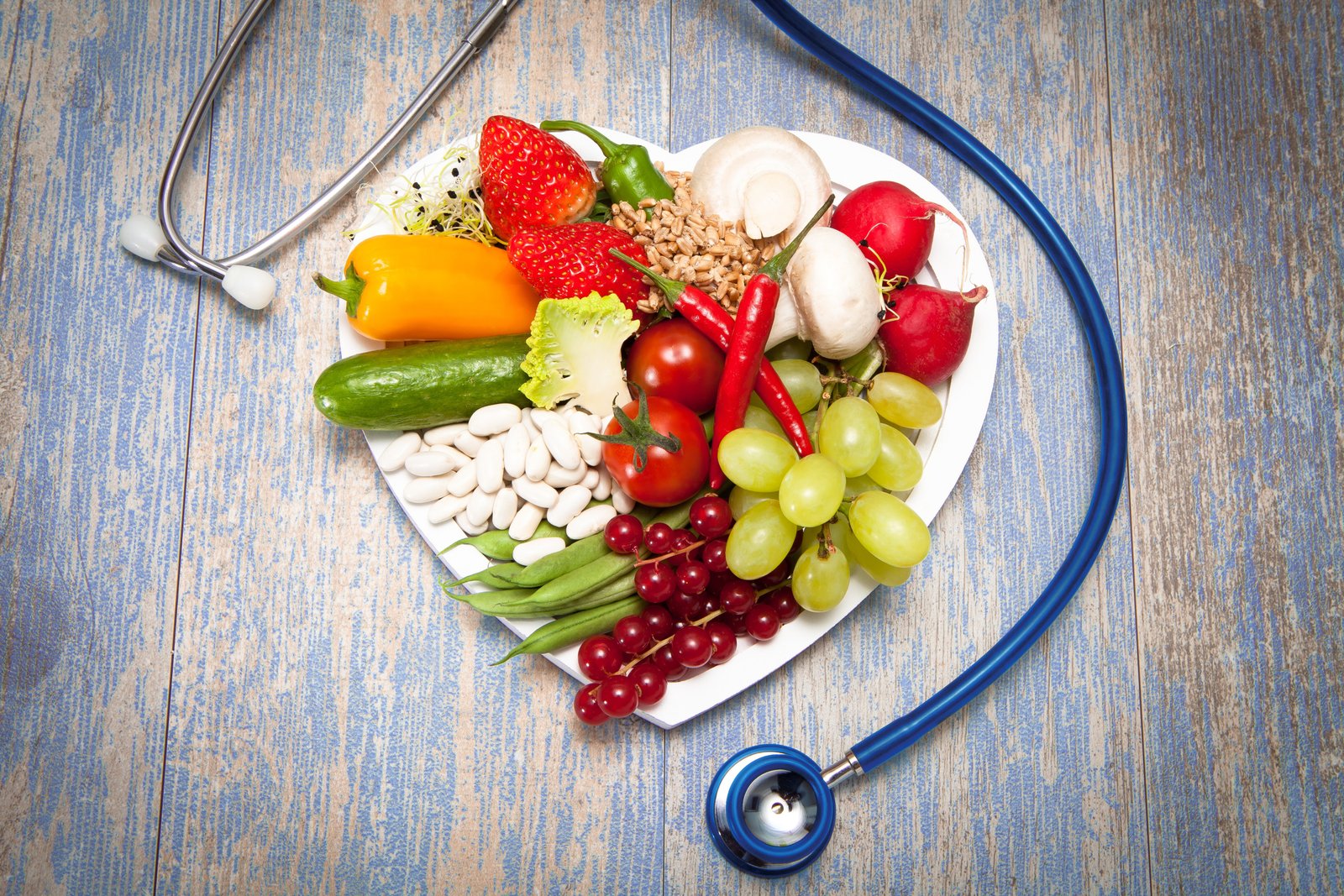
Unsaturated fats such as olive oil, along with whole grains, fruits, vegetables, legumes and fish, can help improve cholesterol levels and support healthier blood vessels.
Diet and Cancer Risk
Eating patterns also affect cancer risk. A large study published in The BMJ in 2018 found that every 10% increase in the share of ultra-processed foods in the diet was associated with a 12% higher risk of cancer overall and an 11% higher risk of breast cancer. Ultra-processed foods are those heavily altered with additives for flavor, color and shelf life.
What Poor Nutrition Looks Like
Poor nutrition can mean eating foods low in fiber and vitamins and high in fat, sugar and salt. It can also mean consistently eating more calories than the body uses, which leads to weight gain, obesity and higher risk of diabetes, stroke and heart disease. Eating too little is a problem too: severe undereating deprives the body of essential nutrients and can harm the heart. Anyone concerned about their intake should talk with a doctor or registered dietitian.
Effects You Might Notice
Beyond long-term disease risk, a poor diet can affect day-to-day life, contributing to:
- Fatigue and low energy
- Reduced concentration and productivity
- Mood changes and stress
- Weakened immune function
- Weight gain
- Skin and dental problems
Building Healthier Habits
Lasting change happens gradually. Choosing steamed broccoli instead of loaded mashed potatoes, or an apple instead of chips, are the kinds of small swaps that add up. A few practical tips:
- Fill half your plate with vegetables and fruit.
- Choose whole grains over refined grains.
- Cook at home more often to control salt and fat.
- Read nutrition labels for sodium and added sugar.
- Swap sugary drinks for water.
- Plan snacks ahead so convenience food isn't the default.
- Eat slowly and pay attention to fullness.
The Takeaway
Nutrition is one of the most powerful tools for protecting long-term health. Pair healthy eating with regular checkups, and for those who want to know more about their current heart health, preventive imaging can show what's happening inside before symptoms appear. Pricing and options are listed on the pricing page.
More information
Want to learn more about preventive scans? Go here for more info.
Scan options, pricing, locations and answers to common questions are available from Advanced Body Scan.
Visit AdvancedBodyScan.com →