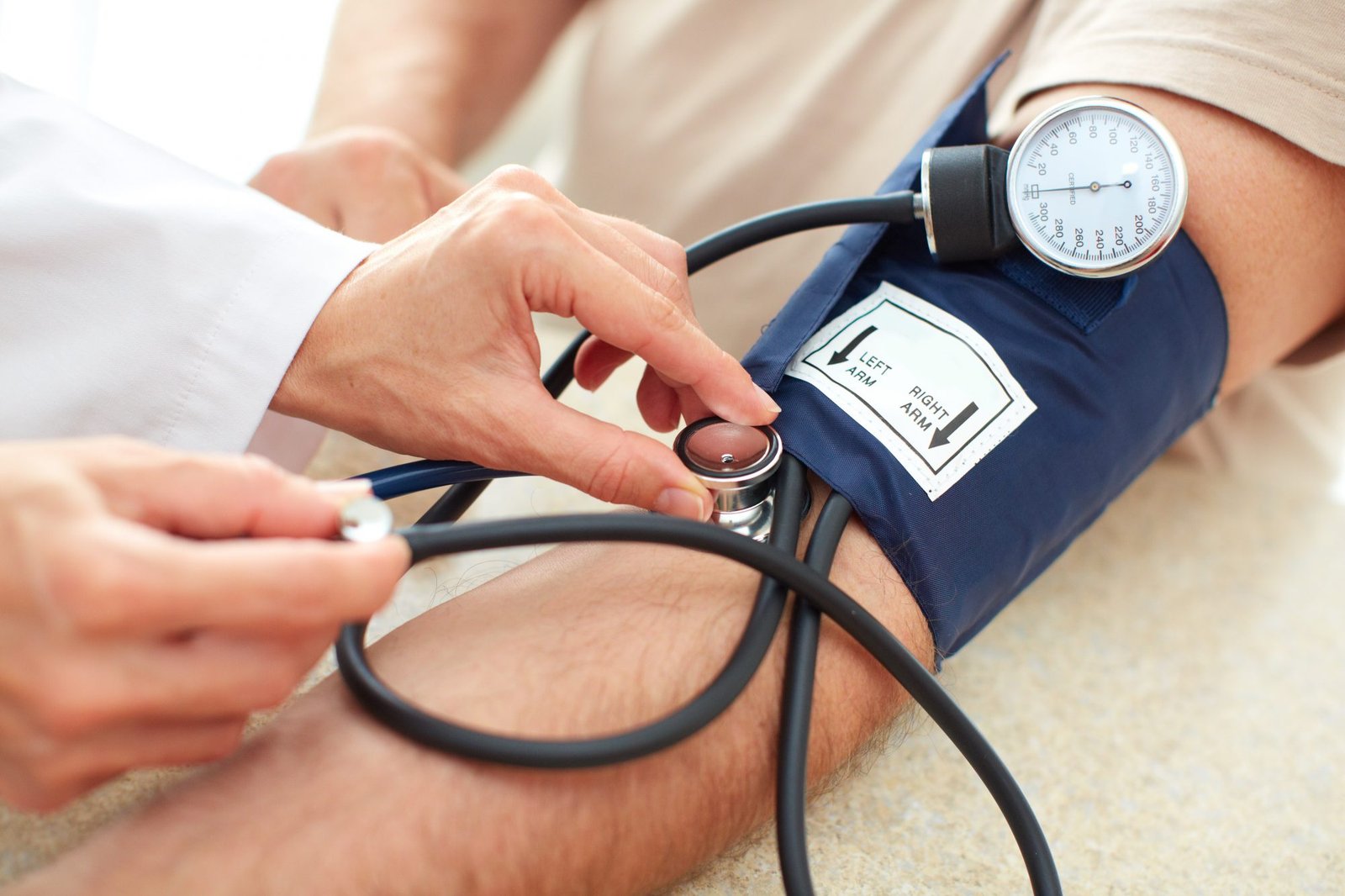
A blood pressure check is part of nearly every doctor's visit. The cuff tightens, a nurse reads off two numbers — maybe 118/76, maybe 135/88 — and notes them in your chart. Those numbers are one of the most important indicators of your risk for heart disease, stroke and kidney disease, yet many people aren't sure what they mean.
Key Points
- The top number (systolic) measures pressure while the heart beats; the bottom number (diastolic) measures pressure between beats.
- Normal blood pressure is below 120/80.
- Since 2017, high blood pressure has been defined as 130/80 or higher.
- High blood pressure often causes no symptoms but damages arteries and organs over time.
- Nearly half of U.S. adults have high blood pressure, according to the CDC.
What the Numbers Mean
Blood pressure reflects how much blood the heart pumps and how easily it flows through the arteries.
- Systolic pressure (top number): the force against artery walls when the heart contracts.
- Diastolic pressure (bottom number): the pressure in the arteries when the heart rests between beats.
Readings naturally vary throughout the day with posture, breathing, stress, activity, medications, food and drink. Blood pressure is usually lowest during sleep and rises after waking.
Blood Pressure Categories
Under the 2017 guidelines from the American College of Cardiology and American Heart Association:
- Normal: below 120/80
- Elevated: 120–129 systolic and below 80 diastolic
- Stage 1 hypertension: 130–139 systolic or 80–89 diastolic
- Stage 2 hypertension: 140 or higher systolic or 90 or higher diastolic
- Hypertensive crisis: above 180 systolic and/or above 120 diastolic — seek medical care immediately
The threshold for high blood pressure was lowered from 140/90 to 130/80 so people could start addressing risk earlier, before heart attacks and strokes become more likely.
Low Blood Pressure
A reading below 90/60 is generally considered low (hypotension). For some people it causes no problems, but for others it leads to dizziness or fainting, and in severe cases it can be life-threatening. Causes range from dehydration to serious medical conditions, so it's important to find out why it's happening.
Warning signs that low blood pressure may reflect an underlying problem include:
- Dizziness or lightheadedness
- Fainting
- Blurred vision
- Nausea
- Fatigue or trouble concentrating
Very low blood pressure can lead to shock, with confusion, cold and clammy skin, rapid shallow breathing and a weak, rapid pulse — a medical emergency.
Conditions that can cause low blood pressure include pregnancy, heart problems (a slow heart rate, valve disease, heart attack or heart failure), endocrine disorders (such as adrenal insufficiency or low blood sugar), dehydration, blood loss and certain medications.
High Blood Pressure
High blood pressure means the long-term force of blood against artery walls is high enough to cause damage. It usually develops gradually over years and often produces no symptoms, which is why it's sometimes called a "silent killer." Even without symptoms, it strains the heart and blood vessels and raises the risk of heart attack and stroke. According to the CDC, only about a quarter of adults with high blood pressure have it under control.
Most people with high blood pressure have no symptoms. When blood pressure becomes dangerously high, symptoms may include severe headache, chest pain, shortness of breath, vision changes or nosebleeds — all reasons to seek prompt medical care.
Possible complications
The higher the pressure and the longer it goes uncontrolled, the more damage it can do. Complications include:
- Heart attack and heart failure
- Stroke
- Aneurysms
- Kidney damage
- Vision loss
- Cognitive decline and dementia
Because high blood pressure also accelerates plaque buildup, some people choose a coronary calcium scan to see whether their arteries have been affected. Aneurysms can be identified with imaging as well; see the full body scan overview.
Lowering Blood Pressure
- Reduce sodium and eat more fruits, vegetables and whole grains.
- Stay physically active most days of the week.
- Maintain a healthy weight.
- Limit alcohol and avoid tobacco.
- Manage stress and get enough sleep.
- Take prescribed medications as directed.
Getting an Accurate Reading
- Avoid caffeine, exercise and smoking for 30 minutes beforehand.
- Empty your bladder and sit quietly for five minutes.
- Sit with your back supported, feet flat and arm resting at heart level.
- Don't talk during the measurement.
- Take two or more readings and track them over time, including at home.
The Takeaway
Blood pressure is easy to measure and one of the most important numbers to know. If your readings are high or low, work with your doctor on a plan. For a broader view of cardiovascular risk, the HeartIQ scan combines calcium scoring with additional heart analysis. If you ever have symptoms of a hypertensive crisis or severe hypotension, call 911.
More information
Want to learn more about preventive scans? Go here for more info.
Scan options, pricing, locations and answers to common questions are available from Advanced Body Scan.
Visit AdvancedBodyScan.com →